Consultation in Austria, treatment at our leading clinic in Turkey and professional aftercare across Austria, Germany and Switzerland. With 24/7 medical supervision and one of Europe's largest aftercare networks, you're supported every step of the way.
Consultation in Austria, treatment at our leading clinic in Turkey and professional aftercare across Austria, Germany and Switzerland.
Most patients aren't afraid of the procedure itself. They're afraid of what happens once they're back home. That's why we stay with you the whole way, not just on treatment day.
Your first conversation happens in person, not through an anonymous chat. We clarify expectations, method and process before you travel.
The transplant takes place at our main clinic, with continuous medical supervision, not just during the procedure itself.
Care doesn't end once you're home: our clinic network in Austria, Germany and Switzerland handles aftercare, from medication to PRP treatments.
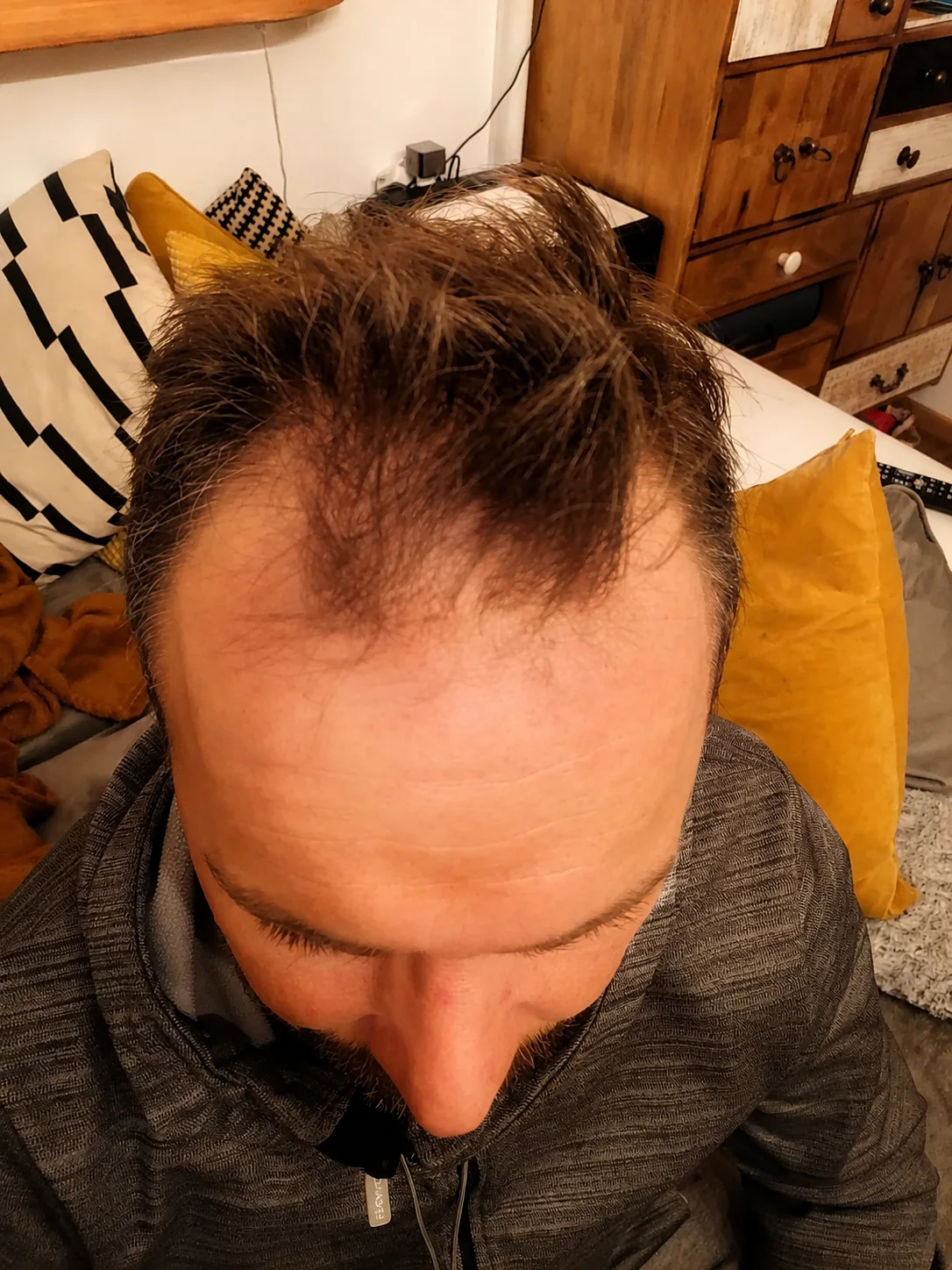
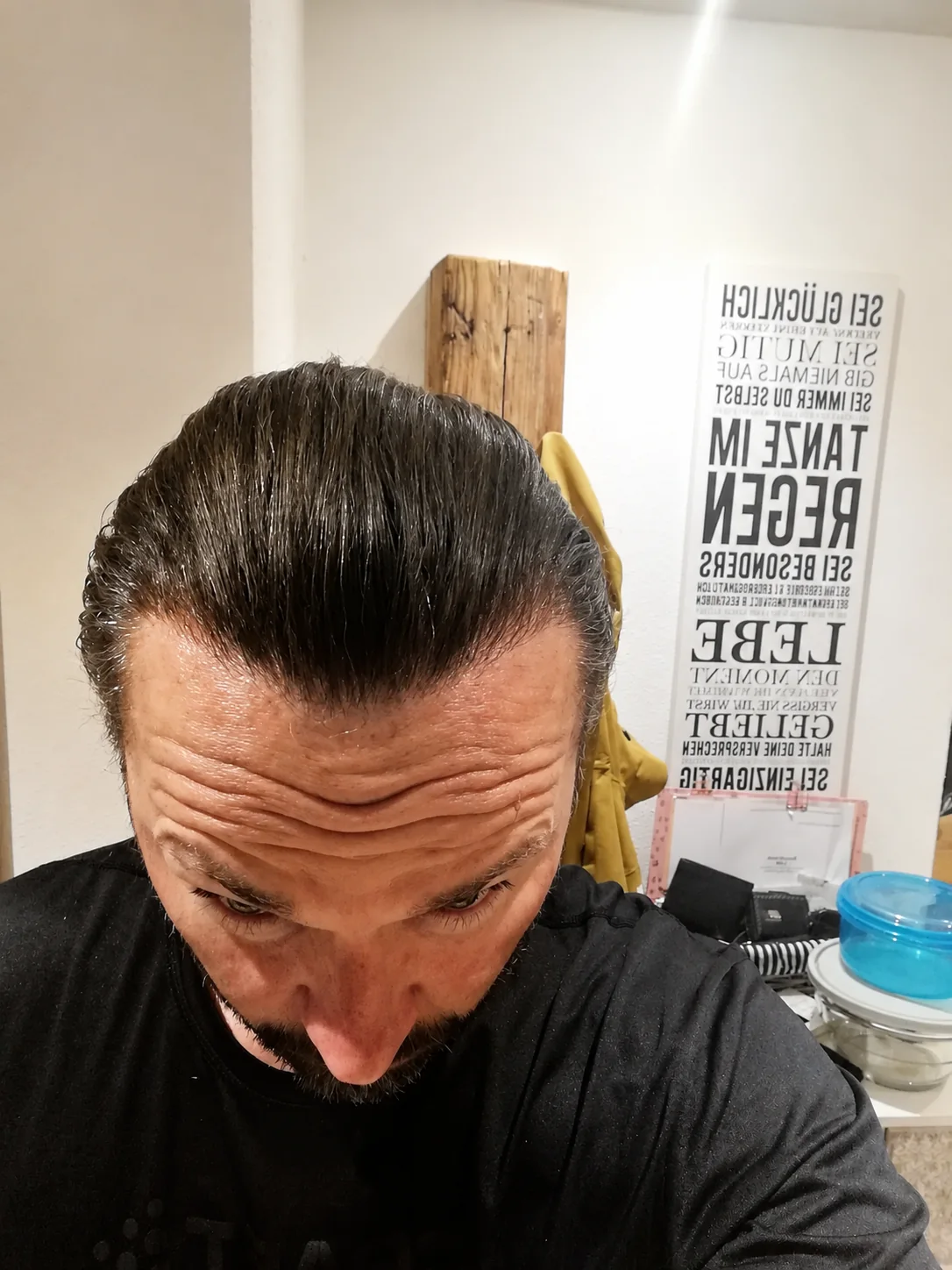
Every case starts with a scalp analysis and ends with a result that was planned individually.
Austria, Germany and Switzerland, connecting to our main clinic in Turkey: one continuous care network spanning four countries.
The questions that most often hold prospective patients back from booking a consultation, answered honestly.
Learn more about hair transplantation →The procedure is performed under local anaesthesia, so the scalp is fully numb during the operation. Most patients feel only mild pressure, not pain. Post-operative discomfort is usually mild and manageable with standard over-the-counter pain relief.
In the first 1 to 2 weeks, visible scabbing and redness may be noticeable. After that, healing is largely invisible. By months 4 to 6, the new hair blends naturally and, with an experienced surgeon, is indistinguishable from native hair.
This depends entirely on the degree of hair loss and desired density. A typical session ranges from 1,500 to 4,000 grafts. Grade II to III usually needs 1,500 to 2,000; grade V to VI often 3,000 to 4,500. A free consultation with scalp analysis gives an accurate estimate.
Transplanted hair is taken from the DHT-resistant donor zone and continues to grow for life. However, existing non-transplanted hair may keep thinning. Medication like finasteride or minoxidil after the procedure helps protect remaining native hair.
Graft survival rates at reputable clinics are generally 90 to 95%. If the result is below expectations after 12 to 18 months, a follow-up session can be discussed. Apex Beauty offers a 12-month follow-up consultation to assess the outcome.
Yes. Women with androgenetic alopecia can be suitable candidates. However, women with diffuse hair loss across the entire scalp, including the donor area, may not have sufficient stable donor hair. A specialist assessment is essential.
Apex Beauty coordinates all logistics for patients from Austria, Germany, and Switzerland. The procedure takes one day. Most patients fly in the day before, rest one night, and fly home within 48 hours. Follow-up appointments can be conducted remotely via video call.
A broker coordinates between a patient and a clinic but isn't medically involved. You may not know in advance which team will treat you. Apex Beauty is a direct clinic: the team you consult with is the team that treats you, in our own facility. That means consistent quality and direct accountability.